United States of America Flag

United States:

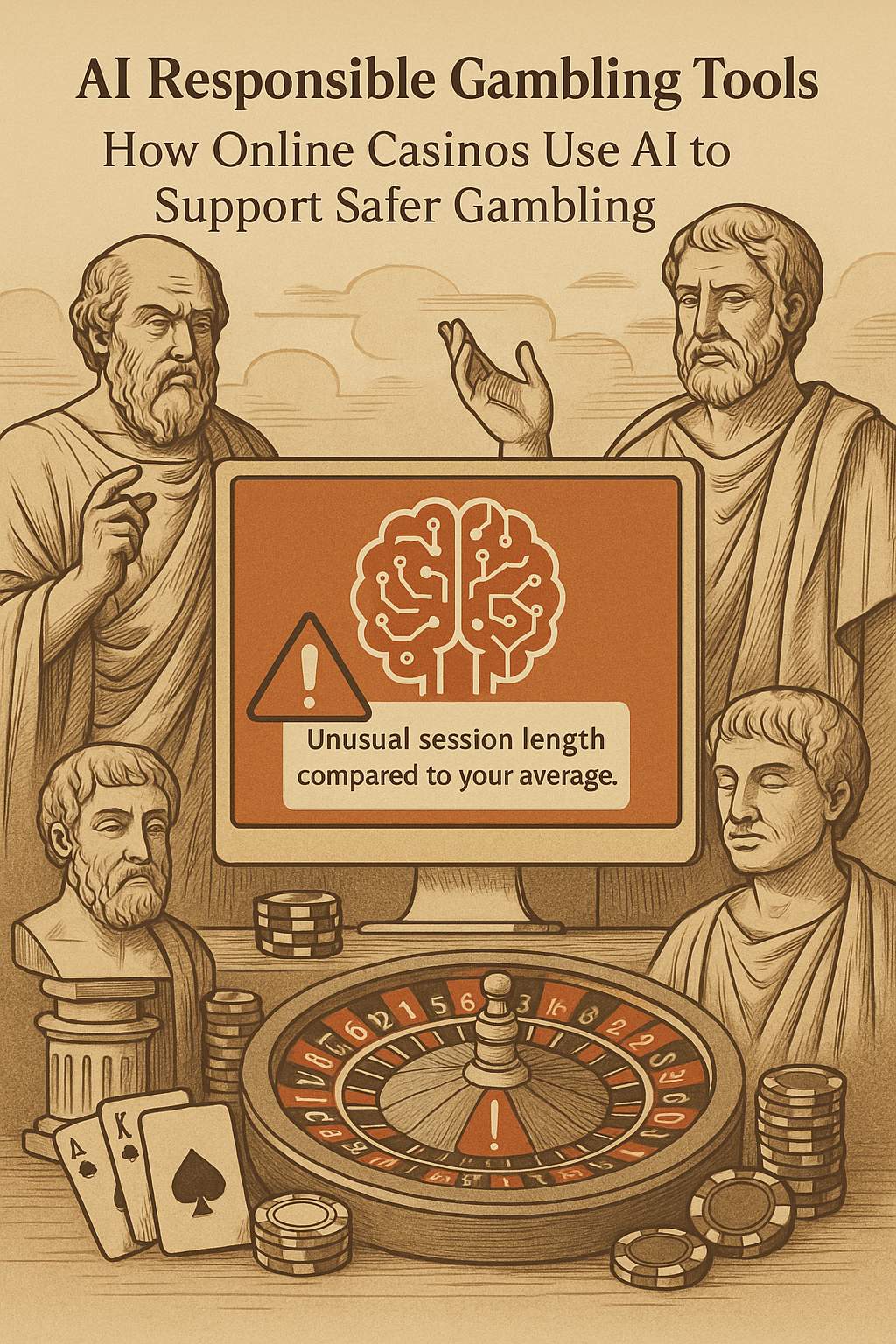
AI Responsible Gambling Tools How Online Casinos Use AI to Support Safer Gambling

Artificial intelligence is becoming a central component of modern responsible gambling frameworks, enabling online casinos to identify risky behavior earlier and intervene more effectively. By analyzing real-time data such as betting patterns, session length, and sudden changes in spending, AI-driven tools help operatoharm and provide tailored support to players. This page explains how these systems work, why they are increasingly required by regulators, and what players should expect from a well-implemented AI responsible gambling strategy.

Further Articles in Our Section on Artificial Intelligence in iGaming

ai responsible gambling

What Are AI Responsible Gambling Tools?

AI responsible gambling tools are advanced, data-driven systems integrated into online casinos to continuously observe player behavior and identify indicators of potential gambling harm with a level of precision that traditional manual monitoring cannot achieve. These technologies rely on machine learning models, real-time analytics, and behavioral pattern recognition to evaluate how a player interacts with the platform across thousands of micro-signals – such as changes in deposit rhythms, sudden increases in stake size, prolonged play sessions, repeated attempts to recover losses, erratic volatility in bankroll management, or deviations from their personal historical trends. When the system detects patterns associated with elevated risk, it automatically triggers targeted protective measures designed to encourage healthier play, ranging from personalized notifications and data-informed wagering suggestions to cooling-off prompts, custom limit-setting recommendations, and direct access to support resources. In many implementations, operators also use AI-generated risk scores, which summarize a player’s current behavior on a scale of potential harm and guide the timing and severity of interventions. To increase transparency and user understanding, some platforms highlight specific signals the AI is responding to with inline elements such as:
“Unusual session length compared to your average.”
“Significant increase in bet size detected.”
“Multiple high-risk behaviors within a short time frame.”
These details help players understand why a suggestion or warning appears without overwhelming them with technical explanations. From an operational perspective, AI tools support casinos in meeting evolving regulatory expectations related to early detection, stepped intervention, and verifiable responsible gambling procedures. For players, the presence of AI oversight should function as an additional layer of safety- one that operates quietly, objectively, and continuously in the background, ensuring that the gaming environment remains enjoyable while reducing the likelihood of harmful or unsustainable behavior.

Online Casinos Using Modern AI Player Protection Systems

Below is a list of licensed online casinos known for implementing advanced AI-driven responsible gambling systems, offering strong monitoring, real-time risk detection, and transparent player protection measures.

flag All American Casino
DuckyLuck Casino Logo

United States of America FlagRated 100/100%

Duckyluck Casino

Welcome bonus

500%/$2,500+ 150 Free Spins

x30 wagering (Bonus & Deposit)

flag All American Casino
Slotsandcasino Logo

United States of America FlagRated 100/100%

SlotsandCasino Casino

Welcome bonus

300%/$1,500 + 100 Free Spins

x30 wagering (Bonus & Deposit)

bonus Bonus Crab
WinBay-Casino-Logo

United States of America FlagRated 99.67/100%

WinBay Casino

Welcome bonus

100%/ €500+ 200 Free Spins

x12 wagering (Bonus & Deposit)

Immerion Casino Logo

United States of America FlagRated 93.29/100%

Immerion Casino

Welcome bonus

500%/$1,000 + 250 Free Spins

x40 wagering (Bonus & Deposit)

flag All American Casino
Live casinohouse svg

United States of America FlagRated 60/100%

Extreme Casino

Welcome bonus

200%/$1000

x10 wagering (Bonus & Deposit)

star Popular
Reels Grande Logo

United States of America FlagRated 60/100%

Reels Grande Casino

Welcome bonus

Up to $250 Weekly Cashback

x30 wagering (Bonus & Deposit)

How AI Detects Risky Gambling Behaviour

AI-driven monitoring systems in online casinos identify early signs of risky gambling by analysing behavioural data in real time, recognising patterns that correlate with financial harm, loss of control, or unsustainable play. Unlike traditional monitoring methods that depend on manual reviews or player self-reporting, AI evaluates dozens of behavioural signals simultaneously, allowing operators to understand a player’s risk profile with far greater accuracy and speed. Below are the key mechanisms through which AI identifies elevated risk and supports a safer gaming environment.

ai security

Continuous Behavioural Tracking and Pattern Recognition

AI systems track a player’s activity from the moment they log in, comparing each session to both their historical behaviour and broader population-level data. This provides a statistical foundation for detecting early deviations that may indicate risk.

Key data points tracked include:

  • Frequency of bets and session length

  • Volatility in stake size

  • Reactions to winning and losing streaks

  • Rate of deposits and top-ups during play

Why it matters:
By identifying behaviour changes early, often before the player notices them, the system can trigger protective measures sooner, reducing the likelihood of harmful escalation.

risk assessment

Loss-Chasing and Escalation Detection

One of the strongest predictors of problem gambling is loss-chasing, in which a player increases their bets or deposits to recover losses. AI is highly effective at flagging these escalating patterns in real time.

Typical escalation indicators:

  • Rapid increases in wager size after losses

  • Frequent re-deposits within a short window

  • Switching to higher-volatility games

  • Ignoring previously self-imposed limits

Example:
If a player suddenly triples their bets after a losing streak, the system flags the behaviour even if the player remains within normal spending limits.

measurement

Time-Based Risk Indicators and Disrupted Play Patterns

AI also evaluates temporal behaviour, recognising when the timing, duration, or pace of play becomes irregular or inconsistent with healthy gambling practices.

Common time-related risk signs:

  • Late-night or early-morning sessions

  • Unusually long play sessions without breaks

  • Short, repeated “bounce-back” sessions after a loss

  • Accelerating pace of bets over time

How it shapes the player experience:
When these patterns emerge, the system may prompt reality checks or recommend short cooling-off breaks, helping the player stay mindful of their gameplay.

search

Personalised Risk Scoring and Early Intervention Models

To summarise risk levels, AI systems assign dynamic risk scores that increase when multiple indicators appear together. These scores guide the type and intensity of interventions offered to the player.

Risk score factors may include:

  • Deviations from personal spending averages

  • Overlapping high-risk behaviours (e.g., loss-chasing + rapid deposits)

  • Previous interactions with RG tools

  • Responses to past interventions

Why it matters:
Risk scoring enables casinos to tailor interventions – from simple notifications to proactive human support, ensuring that responses match the player’s actual behaviour rather than a generic rule.

Key Types of AI Responsible Gambling Tools

AI responsible gambling solutions come in several forms, but four categories consistently demonstrate the most substantial impact on player protection and regulatory compliance. These tools operate together to create a multi-layered safety system that monitors behaviour, identifies emerging risks, and delivers tailored interventions at the right moment. Below are the four most influential AI technologies shaping modern responsible gambling frameworks.

Behavioural Analytics & Pattern Recognition Systems

These systems analyse real-time player activity and compare it to historical behaviour and large datasets of known risk indicators. They monitor factors such as session duration, betting frequency, stake volatility, deposit patterns, and recovery attempts. Machine learning models identify deviations that correlate with elevated risk, allowing operators to recognise early behavioural shifts that manual observation would likely miss.

Dynamic Risk Scoring Models

Risk scoring tools aggregate multiple behavioural signals into a single dynamic score that represents the player’s current risk level. Scores update continuously as new actions are taken, reflecting changes such as rapid re-deposits, loss-chasing, repeated limit breaches, or overlapping high-risk behaviours. Operators use these scores to determine the appropriate timing and intensity of responsible gambling interventions.

Automated Personalized Interventions

These systems generate targeted messages or prompts based on individual behaviour patterns. Interventions may include reminders about time spent playing, notifications about increased spending, suggestions to set limits, or alerts when risk criteria are met. The content and timing of each intervention are algorithmically selected to align with the player’s current behaviour and risk profile.

AI-Assisted Self-Exclusion & Cooling-Off Systems

Self-exclusion and cooling-off tools use AI analytics to identify when a player may benefit from temporary or extended breaks. When certain risk thresholds are exceeded, the system automatically surfaces self-exclusion options, streamlines the activation process, and provides access to support resources. Advanced models may also adjust recommendations based on a player’s previous interactions with responsible gambling tools.

Benefits and Limitations of AI Responsible Gambling Tools

AI-driven responsible gambling systems offer significant advantages for both operators and players, but they also introduce operational and ethical constraints that must be considered. Their effectiveness depends on data quality, model accuracy, and the responsible implementation of the technology by each operator. The points below outline the main strengths and practical challenges associated with AI-based player protection tools.

🟩 Core Benefits of AI-Driven Player Protection

AI systems enhance responsible gambling in several key areas:

  • Early Detection: Machine learning models identify behavioural changes long before they become visible through manual observation.

  • Real-Time Monitoring: Automated systems analyse every session without interruption.

  • Consistency: AI applies the same evaluation standards to all players, reducing subjective bias.

  • Personalised Interventions: Messages and prompts adjust dynamically to each player’s risk level.

  • Regulatory Support: AI helps operators meet requirements for early intervention, monitoring, and record-keeping.

🟥 Key Limitations and Operational Challenges

Despite their strengths, AI RG tools have limitations operators must manage carefully:

  • False Positives: Over-sensitive systems may flag non-problematic behaviour as risky.

  • False Negatives: Certain harmful patterns may remain undetected if the model lacks data.

  • Data Dependency: Poor data quality reduces accuracy and delays risk detection.

  • Operator Manipulation Risks: Improper tuning may weaken the tool’s protective function.

  • User Misunderstanding: Players may not fully understand why certain messages or restrictions appear.

Technical summary comparing strengths and weaknesses

Strengths (System Capabilities)Limitations (System Risks)
Fast behavioural analysisIncorrect risk classification
Continuous automated monitoringDependence on accurate data
Scalable across thousands of usersRequires transparent operator use
Personalised intervention logicMay frustrate users if unclear

AI systems do not replace traditional responsible gambling policies – they strengthen them by adding continuous, data-driven oversight that manual teams could never achieve alone.


Integration Impact on Player Experience

  • Clearer messaging can help players self-assess their behaviour earlier.

  • Smart notifications reduce interruptions by only appearing when relevant.

  • Adaptive limit recommendations create a smoother gameplay experience without excessive manual settings.

  • Consistency in intervention builds trust when the user understands the platform applies rules fairly and transparently.

How to Evaluate AI Responsible Gambling Tools in an Online Casino

Assessing the quality of AI-driven responsible gambling tools requires looking at how transparently the system operates, how it responds to player behaviour, and whether it gives users meaningful control over protective features. The steps below outline the essential elements to check when determining whether an online casino implements effective, well-calibrated AI protection.

Step 1

Check the Casino’s Transparency About AI Monitoring

Evaluate whether the casino clearly explains what its AI system monitors and how interventions are triggered. A well-designed platform provides accessible information on behavioural tracking, limit functions, and the logic behind notifications. If these explanations are missing or vague, the responsible gambling framework may not be fully established or properly maintained.

Step 2

Observe the Relevance of Player-Facing Interventions

Pay attention to the timing and content of notifications or prompts you receive during gameplay. Effective AI tools deliver messages that correspond directly to your current behaviour, such as escalating deposit activity or extended session length. If alerts feel generic or appear at unrelated moments, the underlying AI model may be poorly tuned or not behaviour-aware.

Step 3

Evaluate the Accessibility of Responsible Gambling Controls

Inspect how easily you can access limit settings, cooling-off tools, self-exclusion options, and your history of interventions. High-quality systems place these controls in clear, visible areas of the interface and allow adjustments without unnecessary navigation. If these tools are hidden in submenus or require multiple steps, the casino may not prioritise responsible gambling.

Step 4

Look for Indicators of Consistent System Behaviour

Consistency is an important sign of a well-implemented AI system. Interventions should follow similar patterns each time a risk signal appears. For example, recurring late-night sessions should prompt similar alerts, and significant deposit spikes should lead to predictable notifications. Irregular or unpredictable responses suggest the AI configuration may be incomplete or inconsistently applied.

Differences Between AI Responsible Gambling Tools and Traditional Responsible Gambling Features

differencesResponsible gambling frameworks have evolved significantly in recent years, transitioning from static, player-controlled features to sophisticated systems powered by behavioural data and machine learning. Traditional tools such as deposit limits, time reminders, and self-exclusion have long served as the foundation of player protection. Still, they rely heavily on users recognising their own risk and taking deliberate action. In contrast, modern AI-driven solutions operate continuously in the background, analysing behavioural signals, detecting patterns linked to harmful gambling, and triggering interventions without waiting for the player to initiate them. This shift represents a fundamental change in how online casinos manage risk, introducing a more proactive and adaptive approach to safeguarding users. The comparison table below highlights the primary differences between conventional responsible gambling tools and the new generation of AI-powered systems commonly implemented in regulated online casino environments.


Traditional RG Tools vs AI-Driven RG Systems

Traditional RG ToolsAI Responsible Gambling Tools
Player manually sets limitsSystem detects risk and recommends limits dynamically
Tools activate only when the user interactsTools activate automatically based on behavioural data
Static rules (same for all players)Adaptive rules that adjust to individual behaviour
Focused on session time, single limitsFocused on complete behavioural patterns and risk clusters
Reliant on player self-awarenessDesigned to detect risks before players notice them
Interventions are predictable and manualInterventions are contextual, real-time, and personalised
Limited to user input and simple triggersUses machine learning models and historical data
Does not detect hidden escalation patternsIdentifies subtle changes and early warning signs

Where AI Provides Additional Value

AI-based systems introduce a level of proactive monitoring that manual tools cannot match. By analysing patterns over time, AI can recognise issues such as escalating deposit behaviour, rapid betting changes, or abnormal play sessions long before they become visible through traditional tools. This makes AI suitable for early detection and complex behaviour analysis, which are increasingly required in modern regulatory environments.


Where Traditional Tools Still Play an Important Role

Despite advances in automation, traditional responsible gambling features remain essential. Deposit limits, session timers, loss caps, and self-exclusion options give players direct control and ensure transparency. These tools also provide a clear regulatory baseline, guaranteeing that even casinos with minimal AI capabilities meet minimum player protection standards.

Impact of AI Responsible Gambling Tools on Player Experience

best customer experienceAI-driven responsible gambling systems have begun to reshape the online casino environment by introducing continuous behavioural monitoring and real-time analytical feedback into the player journey. These tools influence several aspects of gameplay, from how players pace their sessions to how they assess the platform's safety and fairness. Instead of relying solely on traditional tools that require manual activation, AI systems interpret patterns, detect irregularities, and provide tailored prompts that appear only when relevant to the user’s current behaviour. This creates a gaming experience that feels more transparent, with clearer insights into play habits, while also adding a structured layer of oversight that adapts to each session. As operators incorporate increasingly advanced AI models, the player experience evolves into a blend of personal freedom, guided awareness, and intelligent safety mechanisms, all working together to support sustainable, informed gameplay. The elements below outline the most noticeable ways these technologies influence practical play and shape the user’s perception of the platform.


A Realistic Gameplay Scenario

A player enters an online casino for a casual session and begins switching between several game types. As their wagers fluctuate, the platform quietly tracks patterns, identifying moments when their pace increases or when deposits occur more frequently than usual. When the system detects a significant deviation from the player’s normal behaviour, a subtle message appears – not disruptive, but noticeable, reminding the player of time spent and suggesting a short pause. The experience remains seamless, but the player becomes more aware of their actions through unobtrusive, data-informed guidance.


Breakdown of Key Experience Shifts Introduced by AI

AI alters the player journey through three main experience-shaping factors:

  • Increased behavioural visibility

Players receive clearer insight into how they are playing, based on real-time analysis rather than manual checking.

  • Dynamic session feedback

Messages adapt to the flow of play, making feedback feel integrated rather than generic.

  •  Subtle structural boundaries

Interventions appear only at relevant moments, guiding players without strong interruptions or forced breaks unless risk levels escalate.


“AI systems shape the gaming experience not by restricting gameplay, but by making risk more visible and decisions more informed. Their influence is subtle but continuous, forming an additional layer of navigation within the platform.”


Because AI models operate continuously and adjust to each player’s behaviour, the user experience becomes more personalised. This reduces reliance on fixed tools like manual limits and creates a more responsive environment. However, poorly calibrated systems may produce alerts that feel out of place or overly frequent, which can create irritation or reduce trust if not implemented with precision.

Future Trends in AI and Responsible Gambling

The use of artificial intelligence in responsible gambling is advancing rapidly, driven by regulatory demands, improved data capabilities, and evolving player expectations for safer gameplay environments. As the industry continues to refine these technologies, new approaches are emerging that go far beyond today’s baseline monitoring features. The following developments indicate where AI-powered responsible gambling systems are heading and how they may shape future standards in online casino safety.

Predictive Early-Warning Models

Predictive early-warning systems represent the next significant step in responsible gambling technology. Rather than analysing behaviour only after risk patterns appear, these models identify subtle shifts in activity that historically precede harmful play. They evaluate long-term behavioural trajectories, such as gradual increases in average stake size, changes in deposit rhythms, irregular game-switching patterns, or progressive acceleration during sessions. By correlating these micro-signals with large historical datasets, the system assigns a forward-looking risk probability and continuously updates it as sessions unfold. This allows operators to provide earlier, softer interventions that guide players before problematic behaviour escalates. The goal is a preventive framework that minimises disruption while offering informed support at the earliest possible stage.

Enhanced Affordability and Spending Assessment

Affordability-focused AI is expanding beyond simple deposit monitoring, progressing toward models that evaluate whether a player’s financial behaviour aligns with sustainable patterns over time. These systems analyse deposit frequency, average stake evolution, long-term spending curves, and the pace of top-ups during heavy sessions. In more advanced implementations, affordability engines incorporate external indicators, where permitted by regulation, gradually creating a clearer picture of whether a player’s activity aligns with realistic financial boundaries. When discrepancies appear, such as sudden large deposits or rapid increases in total monthly spend, the system prepares contextualised prompts suggesting limit adjustments or cooling-off options. The purpose is to ensure financial risk is managed proactively without placing excessive administrative burden on the player.

Multi-Layered Player Behaviour Visualisation

Future responsible gambling systems will introduce more sophisticated tools for visualising player and operator behaviour. On the operational side, analysts will access dashboards that map long-term behavioural trends, risk clusters, and session dynamics using heatmaps, trajectory graphs, and pattern overlays. This enhances visibility into how a player's behaviour evolves over time and helps teams interpret AI signals more accurately. For players, simplified visual summaries may become part of the interface, offering clear insights into spending patterns, session lengths, and behavioural consistency. These summaries aim to improve self-awareness by translating complex behavioural data into understandable snapshots. Together, the two layers promote transparency and alignment between player insight and operator oversight.

Integrated Support Ecosystems

Future AI systems will connect responsible gambling interventions directly with support channels, reducing the gap between automated alerts and human assistance. When risk signals escalate, the platform can route the player to tailored support options, such as specialised live agents, dedicated RG teams, or region-specific help services. The system may also generate intelligent recommendations based on the player’s history, such as suggesting a multi-day cooling-off period or providing links to professional organisations. Escalation paths become more seamless, enabling the player to move from automated guidance to personalised support without friction. This integrated ecosystem enhances AI's protective value by ensuring that severe cases receive immediate, relevant, and human-driven assistance.

These advancements signal a future where AI systems are not just monitoring tools but active support mechanisms, contributing to safer, more informed, and more user-friendly gambling environments.

casinologia icon

The Road Ahead for AI-Based Gambling Protection

AI responsible gambling tools represent a major evolution in how online casinos monitor and safeguard player behaviour. By shifting from manual, user-initiated features to systems capable of interpreting patterns in real time, the industry has introduced a level of proactive protection that was previously not possible. These technologies allow operators to detect subtle behavioural changes early, deliver interventions tailored to the individual, and maintain a safer gambling environment aligned with modern regulatory expectations.

The capabilities of AI extend far beyond traditional responsible gambling functions. With predictive analytics, dynamic risk scoring, and continuously updated behaviour models, these systems can identify emerging risks long before they escalate, offering support at the most effective moment. At the same time, AI-driven insights help create a more transparent and self-aware player experience by providing meaningful feedback and personalised controls that adapt to the way each user interacts with the platform. This dual focus on early detection and player empowerment marks a significant step forward in responsible gaming practice.

As the technology continues to mature, future developments such as integrated support networks, advanced affordability checks, and richer behavioural visualisation will further strengthen the protective framework around online gambling. For players, this means a safer, more informed gaming environment; for operators, it means greater accountability and improved compliance. Together, these advancements signal a shift toward responsible gambling systems that are not only more intelligent but also more human-focused, reinforcing sustainability as a core principle of the modern iGaming experience.

Frequently Asked Questions About AI Responsible Gambling Tools

AI-driven responsible gambling systems introduce new layers of safety, transparency, and behavioural analysis to online casinos. This FAQ section addresses the most important questions players and industry readers often have about how these tools work, how they protect users, and what their presence means for the future of regulated iGaming environments.

AI systems track a wide range of behavioural signals, including session duration, betting frequency, stake volatility, deposit patterns, game switching behaviour, reactions to wins or losses, and the pace of decision-making. These signals are combined to identify patterns associated with rising risk levels.

While no system can eliminate risk entirely, predictive AI models can identify early indicators of future harm long before traditional tools would detect an issue. This allows for early interventions such as personalised reminders, limit suggestions, or timely cooling-off prompts that reduce the chance of escalation.

Most AI-driven interventions are informational rather than restrictive. They typically appear as contextual notifications or suggestions based on player behaviour. More restrictive actions, such as forced time-outs or self-exclusion prompts, are only activated when risk indicators reach significant thresholds or when required by regulation.

Accuracy varies depending on data quality, model sophistication, and operator configuration. Well-trained systems are highly effective at identifying behavioural deviations, but false positives and false negatives can still occur. For this reason, human oversight and manual review remain essential components of responsible gambling operations.

No. AI systems enhance traditional tools rather than replace them. Deposit limits, loss caps, session timers, and self-exclusion remain critical features. AI adds behavioural context and early detection capabilities, making traditional tools more effective and better targeted.

Regulated operators must disclose the presence of behavioural monitoring and responsible gambling tools. Transparency can vary by jurisdiction, but reputable casinos provide clear explanations about what is monitored, how data is used, and how interventions are triggered.

Under normal conditions, AI tools operate quietly in the background and do not interrupt play. Interventions appear only when behavioural patterns indicate elevated risk. Many players experience improved transparency, clearer insights into their habits, and a greater sense of platform fairness.

Responsible gambling AI models use behavioural and transactional data already collected by the platform under standard regulatory requirements. Reputable operators apply strict data protection protocols, encryption, and access controls to ensure that this information is processed securely and used solely for compliance and player safety.

viktoratanasov

With over 4 years of experience in the iGaming industry, Victor Atanasov has studied bonuses, platforms, and player behavior not just as trends – but as systems. As one of the founding voices behind Casinologia, Victor blends sharp SEO strategy, content mastery, and project management with a deep understanding of the science behind incentives.From link-building campaigns to conceptualizing entire content ecosystems, Victor approaches every project like a grand design – each article a scroll, each page a pillar. He believes that the future of iGaming lies in intellectual presentation and user-centered storytelling.

Table of Contents